Live wire — dispatch open22 Oct 2026

The AI Wire

Machine-drafted, human-approved AI industry news. Every story reviewed before it hits the wire.

From the archive38 dispatches · page 04 / 04
11
azure ▸ tooling· filed 28 Jul 2026

Two Layers for GitHub Copilot Cost Governance as the Promotional Cushion Nears Its End

GitHub Copilot's promotional credit uplift ends September 1, 2026, shifting focus to spend governance. Native budget controls provide financial caps across all surfaces, while a second layer using Azure API Management enables real-time token quotas for IDE and CLI usage. Organizations should enable native budgets now and consider piloting the more granular BYOK approach if needed.


08
openai ▸ research· filed 27 Jul 2026

OpenAI Research Suggests ChatGPT Users Are Taking On Tasks Outside Their Job Titles

OpenAI research based on user behavior data suggests that ChatGPT users are performing tasks outside their formal job roles, potentially reshaping job boundaries. The findings indicate that generative AI is enabling workers to take on adjacent tasks across fields, but full methodology and data are not yet released. The implications include changes to work organization and new risks around accountability and error detection.

07
news.microsoft.com ▸ product· filed 26 Jul 2026

Microsoft and Mistral Expand Partnership: Mistral Medium 3.5 and OCR 4 Models Now in Foundry and Copilot Studio

The expanded Microsoft-Mistral partnership adds Mistral Medium 3.5 and OCR 4 models to Foundry and Copilot Studio, backed by a multi-billion-dollar GPU investment. The deal provides deployment flexibility from cloud to fully disconnected on-premises using a common operating model. For regulated industries or teams seeking an alternative to vendor lock-in, this offers a managed, multilingual option with predictable cost scaling.

05
azure ▸ product· filed 25 Jul 2026

Claude Opus 5: Long-Running Agents That Actually Ship

Anthropic's Claude Opus 5 debuts in Microsoft Foundry, designed for long-running agent tasks that maintain context and recover from errors. It excels at codebase reasoning, vision understanding, and computer use, backed by enterprise-grade platform features. The model is especially suited for multi-step workflows that span hours, though evaluating its sustained performance requires careful measures beyond simple quotas.

04
anthropic ▸ models· filed 25 Jul 2026

Claude Opus 5: The Daily Driver Gets a Brain Transplant

Anthropic's Opus 5 delivers near-Fable-level reasoning on software engineering tasks at half the token cost, with a focus on judgment and thoroughness. It double-checks its work, builds its own test harnesses, and catches edge cases that other models miss. With improved consistency and practical features like fast mode and automatic fallbacks, Opus 5 is the new default for code shipping.

02
openai ▸ product· filed 24 Jul 2026

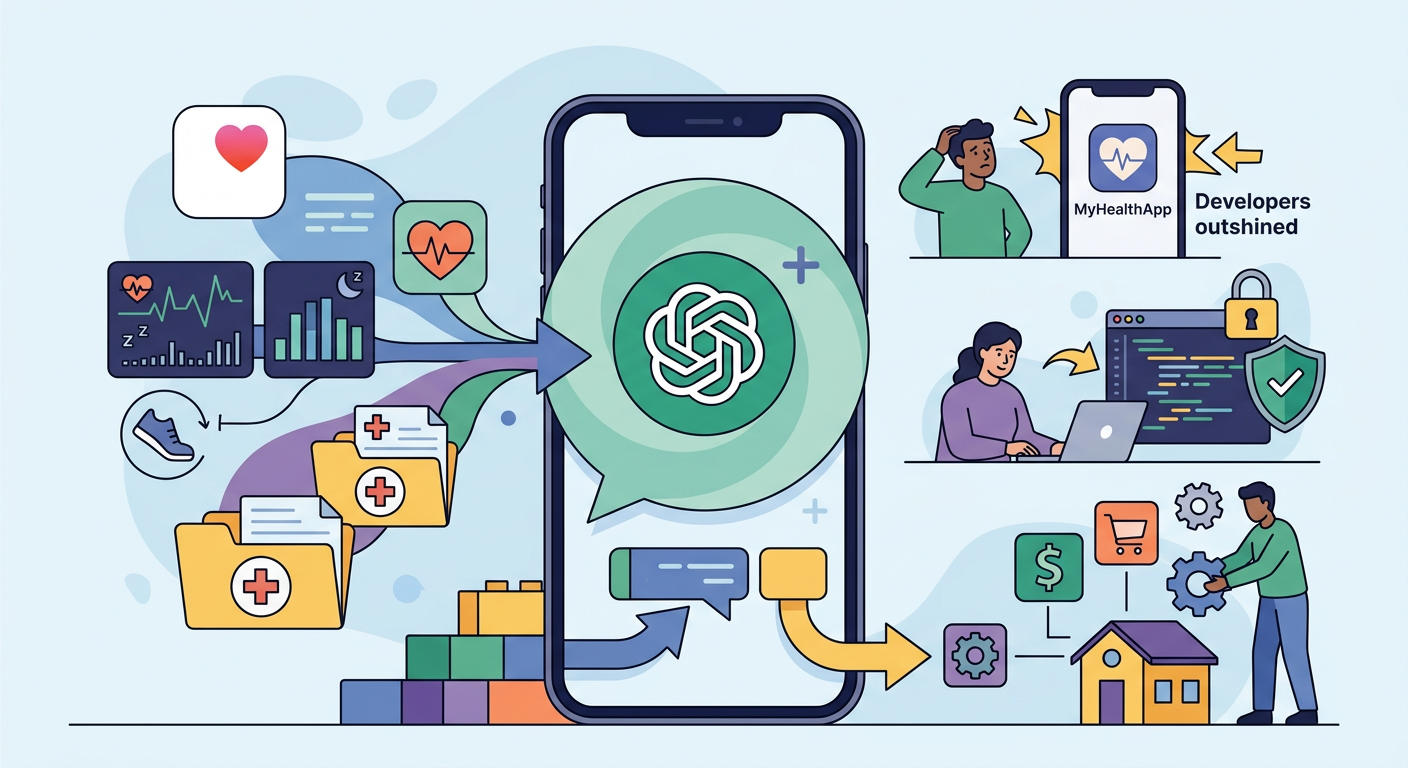
OpenAI Integrates Health Data into ChatGPT: What Developers Need to Know

OpenAI now allows U.S. users to link Apple Health data and medical records into ChatGPT for personalized insights. For developers, this means health apps face new competition, privacy considerations intensify, and the pattern of integrating real-world data into chat becomes a benchmark. This shift signals a move toward vertical-specific AI tools that may challenge existing products.

01
openai ▸ industry· filed 24 Jul 2026

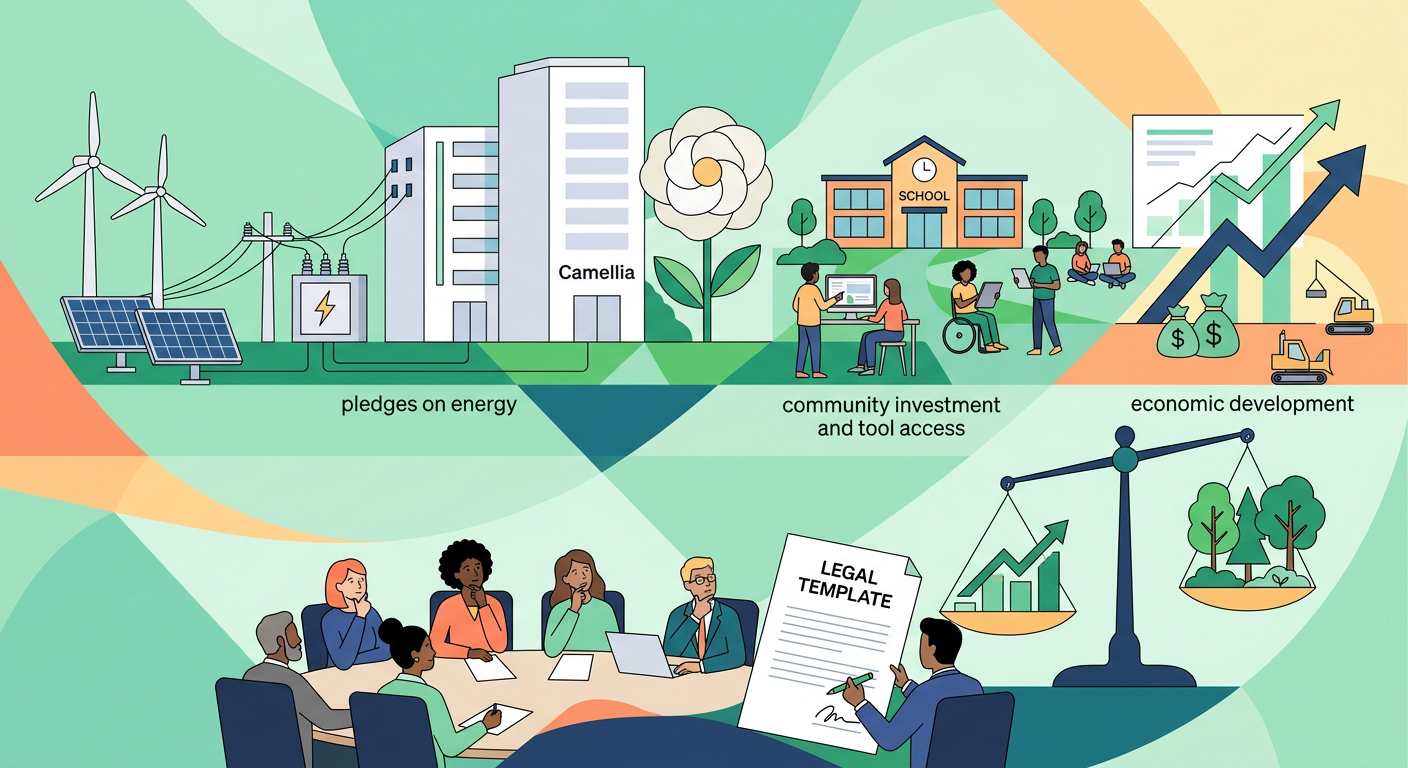
OpenAI's Project Camellia: A Template for AI Infrastructure Negotiations?

OpenAI's Project Camellia in Georgia exemplifies how AI firms are structuring physical expansion with pledges on energy, community investment, and tool access. The initiative highlights a trend of AI companies seeking favorable locations, while local policymakers face balancing economic development with environmental concerns. This voluntary framework may set a benchmark for future negotiations, though questions remain about its sufficiency compared to potential regulations.